microlearning

Phishing Scenario

Existing security training relied on videos and manuals that built awareness but provided little opportunity to practice identifying real threats. To address this gap, I designed a short interactive scenario that required employees to evaluate suspicious messages and receive immediate corrective feedback.

Role

eLearning, Curriculum & Graphic Design

Audience

Employees who regularly interact with email and are responsible for recognizing and responding to potential phishing attempts.

Deliverables

15-Minute Interactive Scenario

Tools

Articulate Storyline, ElevenLabs, Photoshop

The Strategy

Recreate the real decision-making environment so learners can practice identifying threats in context, receive immediate feedback, and apply skills before they face real-world phishing attempts.

The Content

Realistic Workplace Scenario

The scenario creates context before instruction, helping learners connect cybersecurity concepts to situations they may encounter on the job.

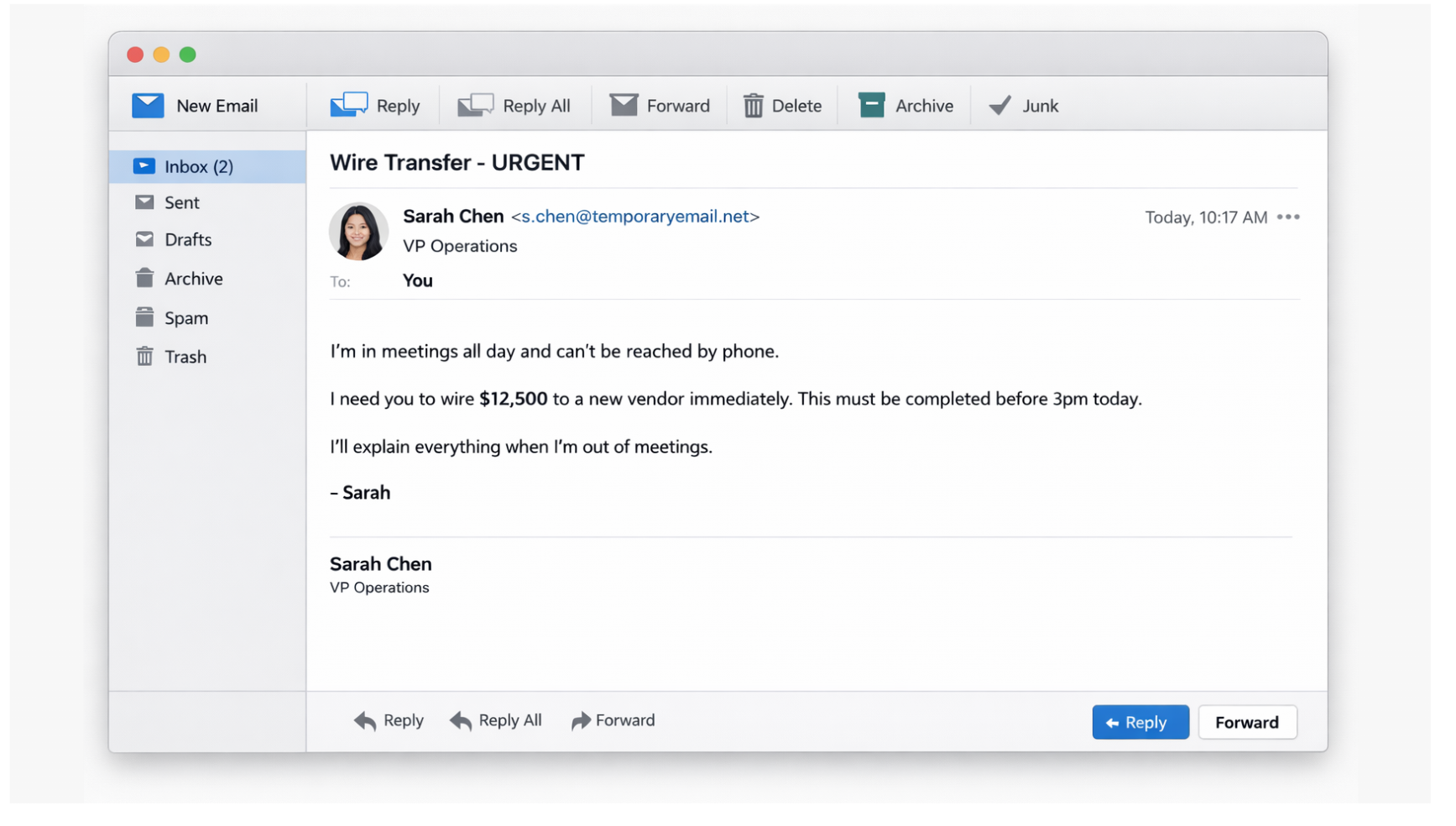
Learners enter a realistic email interface that mirrors a typical workplace inbox and review a message requesting an urgent financial transfer.

Practicing in a familiar environment encourages learners to evaluate the message the same way they would during their normal workflow, improving transfer to the job.

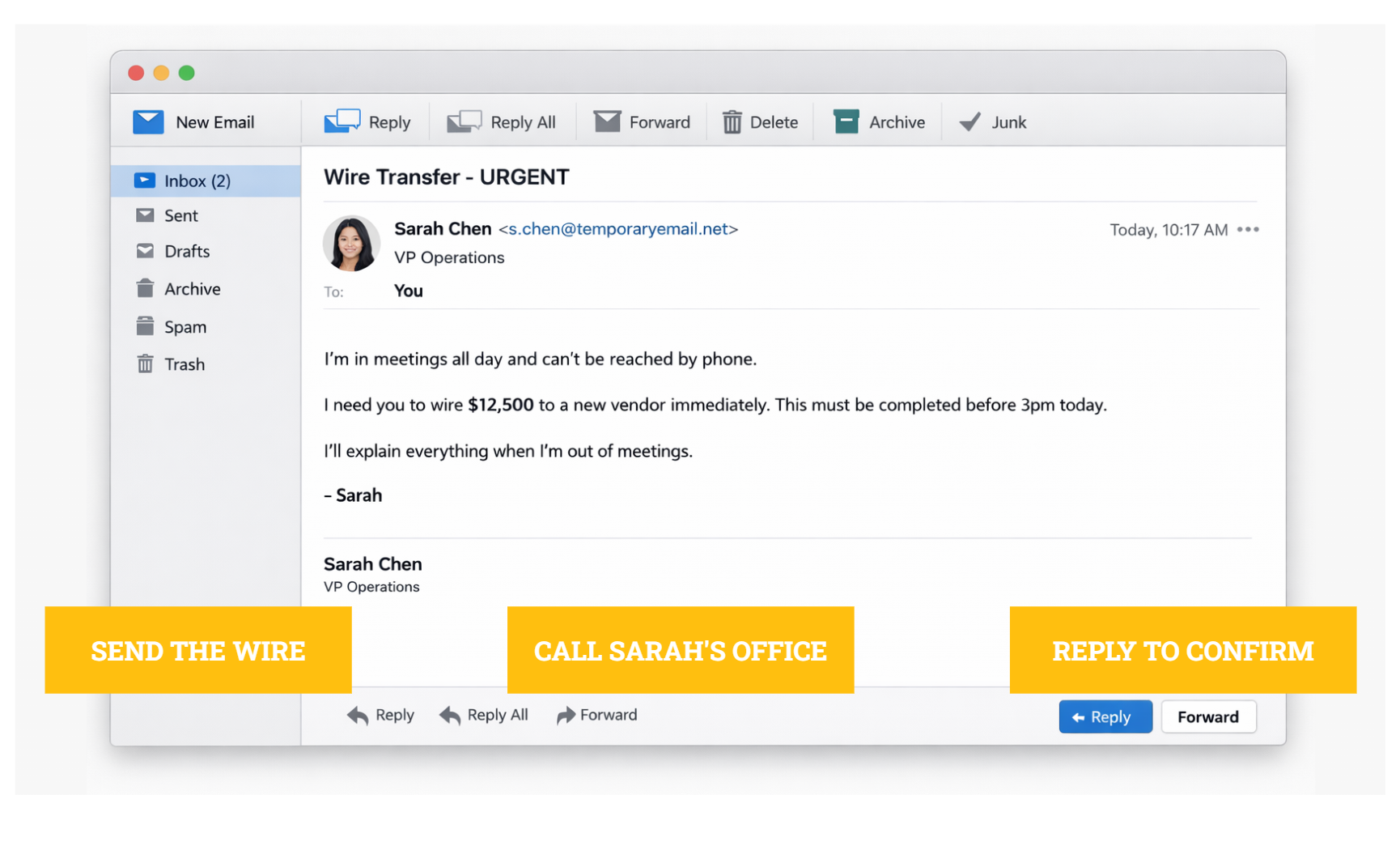
Rather than passively reviewing warning signs, learners must actively analyze the message and make a decision, strengthening critical thinking and threat recognition skills.

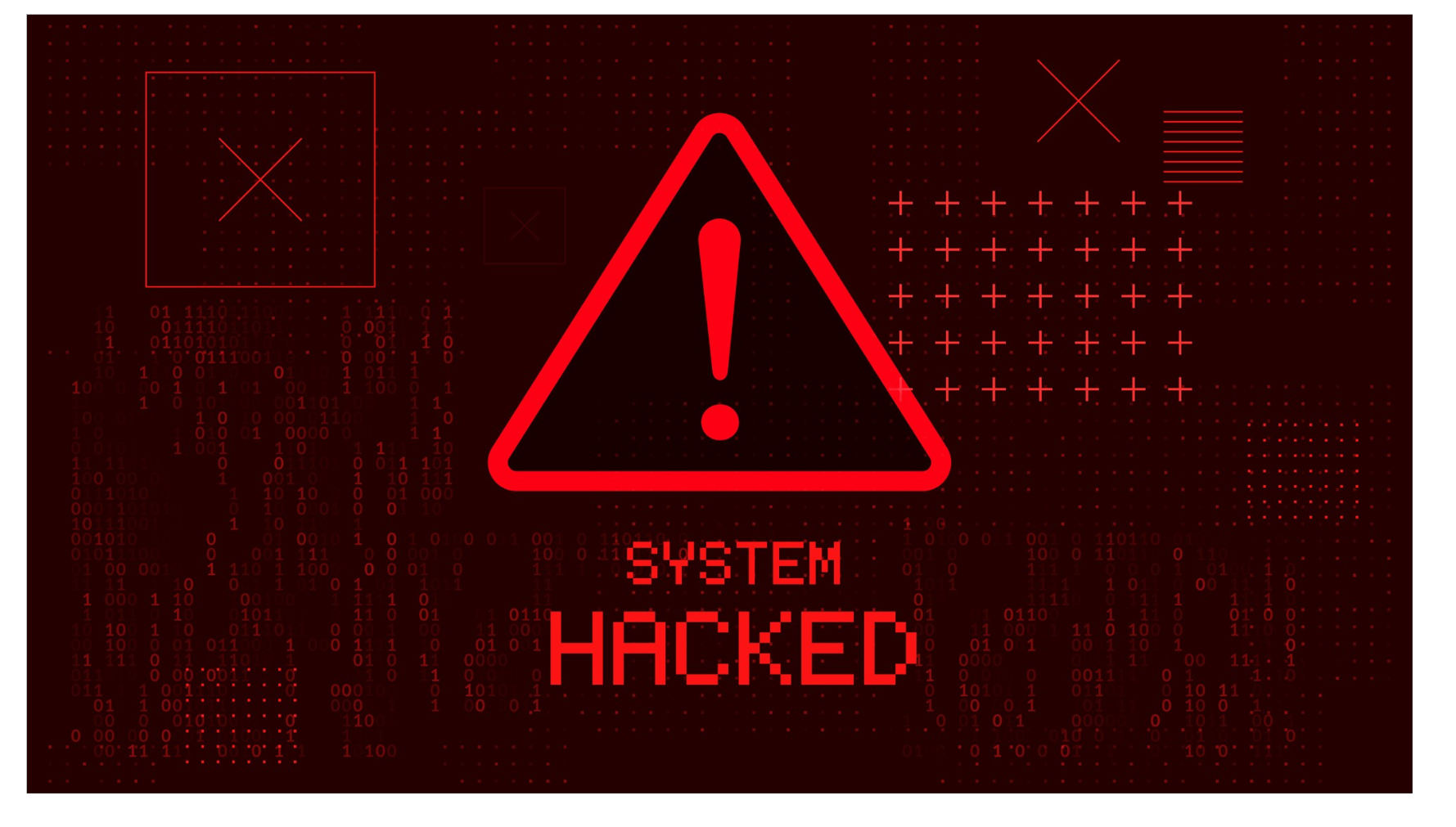
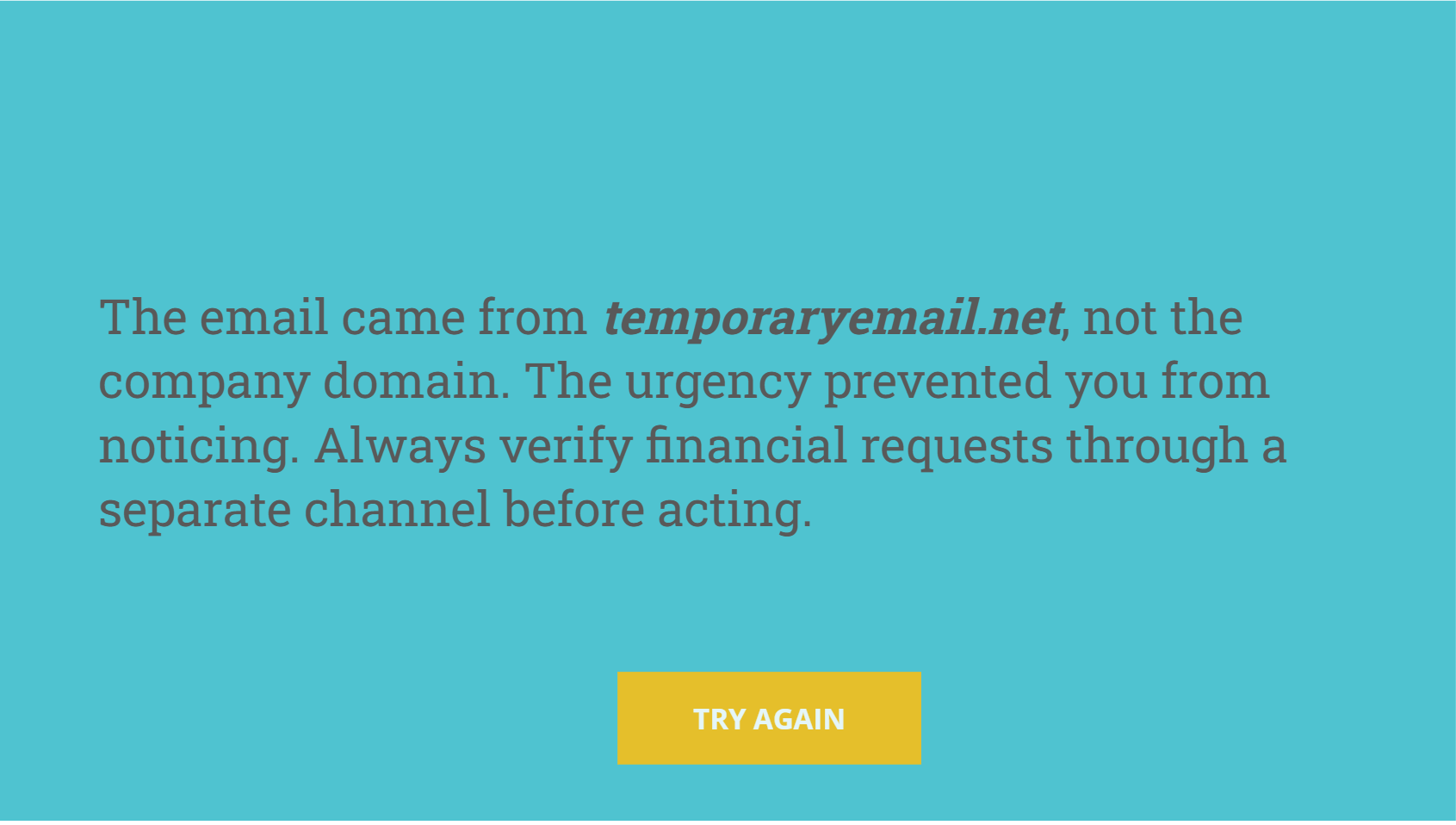
After making a choice, learners receive feedback that explains the consequences of their decision and identifies the phishing indicators they missed or correctly recognized. Immediate feedback reinforces best practices at the moment of action, making lessons more memorable and actionable.

The Outcome

This project demonstrates how realistic practice can be more effective than information-based training for developing workplace skills. By embedding learning within an authentic decision-making context, the experience helps employees move beyond memorizing policies and develop habits they can apply during everyday work. The final solution is concise, engaging, and designed to support performance where it matters most: on the job.